Quem namorou Juliano de Médici?
Fioretta Gorini namorou Juliano de Médici de ? a ?.
Juliano de Médici
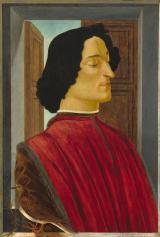
Juliano de Médici (em italiano: Giuliano di Piero de' Medici; Florença, 28 de outubro de 1453 – Florença, 26 de abril de 1478) foi um mecenas e político italiano. Tornou-se corregente de Florença com seu irmão Lourenço de Médici e, como ele, destacou-se como mecenas das artes. Foi assassinado na Conspiração dos Pazzi, no dia da Páscoa, em 1478. Teve grande popularidade durante a sua vida, graças a sua imagem de "menino dourado", bonito, atlético, ao seu comportamento e suas atitudes. Sua morte provocou grande consternação na cidade e em toda Itália. E ajudou a manter a família Médici no governo de Florença.
Leia mais...Fioretta Gorini
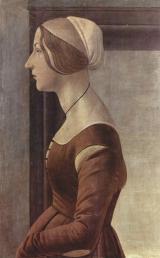
Fioretta Gorini (1453/60 – possibly 1478) was the mistress of Giuliano de' Medici and the probable mother of Giulio de' Medici, the future Pope Clement VII. Gorini was the daughter of a professor, Antonio Gorini. Her actual name was Antonia or Antonietta, while Fioretta was a nickname given to her.
On 26 May 1478, a month after the assassination of Giuliano in the Pazzi conspiracy, Fioretta gave birth to his illegitimate son, Giulio. Not much of Gorini's life after her son's birth is known, and some records have her dying that same year. Giulio spent the first seven years of life with his godfather, architect Antonio da Sangallo the Elder.
The female figure of Fioretta may be represented in Ritratto di giovane donna (1475), of Sandro Botticelli, which is preserved in Palazzo Pitti, although it may equally represent Simonetta Vespucci, Clarice Orsini, Alfonsina Orsini or Lucrezia Tornabuoni. The woman sculpted on Dama col mazzolino (1475), of Andrea del Verrocchio, which is preserved in Museo Nazionale del Bargello, could be Fioretta Gorini. There has also been speculation that Gorini was the inspiration behind the Mona Lisa.
Leia mais...