Quem namorou Mary Robinson (poet)?
George Capel-Coningsby, 5th Earl of Essex namorou Mary Robinson (poet) de ? a ?. A diferença de idade foi de 1 anos, 0 meses e 14 dias.
Banastre Tarleton namorou Mary Robinson (poet) de ? a ?. A diferença de idade foi de 4 anos, 3 meses e 6 dias.
Charles James Fox namorou Mary Robinson (poet) de ? a ?. A diferença de idade foi de 9 anos, 10 meses e 3 dias.
George IV of the United Kingdom namorou Mary Robinson (poet) de ? a ?. A diferença de idade foi de 3 anos, 8 meses e 16 dias.
Mary Robinson (poet)

Mary Robinson (née Darby; 27 November 1757 – 26 December 1800) was an English actress, poet, dramatist, novelist and celebrity figure. She lived in England, in the cities of Bristol and London; she also lived in France and Germany for a time. She enjoyed poetry from the age of seven and started working, first as a teacher and then as an actress, from the age of 14. She wrote many plays, poems and novels. She was a celebrity, gossiped about in newspapers, famous for her acting and writing. During her lifetime she was known as "the English Sappho". She earned her nickname "Perdita" for her role as Perdita (heroine of Shakespeare's The Winter's Tale) in 1779, and was the first public mistress of King George IV while he was still Prince of Wales.
Leia mais...George Capel-Coningsby, 5th Earl of Essex
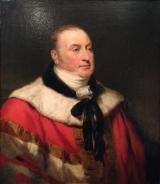
George Capel-Coningsby, 5th Earl of Essex FSA (13 November 1757 – 23 April 1839) was an English aristocrat and politician, and styled Viscount Malden until 1799. His surname was Capell until 1781.
Leia mais...Mary Robinson (poet)
Banastre Tarleton

O general Sir Banastre Tarleton, 1º Baronete, GCB (21 de agosto de 1754 – 15 de janeiro de 1833) foi um proeminente soldado e político britânico.
Ele veio a notoriedade por seu serviço militar durante a Guerra da Independência dos Estados Unidos, onde comandou vários grupamentos de cavalaria do exército britânico e chamou a atenção por suas habilidades de liderança em batalha. Conhecido por seu gênio forte e as vezes por sua brutalidade, várias propagandas feitas pelos americanos diziam que ele foi responsável por alguns massacres contra combatentes do exército continental, especialmente durante a batalha de Waxhaws onde suas tropas teriam assassinado mais de 100 soldados americanos que estavam se rendendo. Na biografia The Green Dragoon: The Lives of Banastre Tarleton and Mary Robinson, escrita por Robert D. Bass (publicada em 1952), ele foi chamado de 'O Açougueiro'.
Apesar da fama ruim dentre os americanos, ele foi saudado por lealistas (colonos leais a Coroa) e os militares britânicos como um brilhante líder, por sua determinação e habilidades, mesmo em situações adversas. Seus soldados de cavalaria eram frequentemente chamados de Tarleton's Raiders.
Ele foi mais tarde eleito para o Parlamento Britânico por sua cidade natal de Liverpool e se tornou uma figura proeminente da liderança do Partido Whig. Tarleton tomou algumas posições polêmicas durante sua carreira como político, incluindo apoio pela manutenção do tráfico negreiro. Ele faleceu em janeiro de 1833, em Leintwardine, Herefordshire, aos 78 anos.
Leia mais...Mary Robinson (poet)
Charles James Fox

Charles James Fox (24 January 1749 – 13 September 1806), styled The Honourable from 1762, was an English Whig politician and statesman whose parliamentary career spanned 38 years of the late 18th and early 19th centuries. He was the arch-rival of the Tory politician William Pitt the Younger; his father Henry Fox, 1st Baron Holland, a leading Whig of his day, had similarly been the great rival of Pitt's famous father, William Pitt, 1st Earl of Chatham ("Pitt the Elder").
Fox rose to prominence in the House of Commons as a forceful and eloquent speaker with a notorious and colourful private life, though at that time with rather conservative and conventional opinions. However, with the coming of the American War of Independence and the influence of the Whig Edmund Burke, Fox's opinions evolved into some of the most radical to be aired in the British Parliament of his era.
Fox became a prominent and staunch opponent of King George III, whom he regarded as an aspiring tyrant. He supported the American Patriots and even dressed in the colours of George Washington's army. Briefly serving as Britain's first Foreign Secretary during the ministry of the Marquess of Rockingham in 1782, he returned to the post in a coalition government with his old enemy, Lord North, in 1783. However, the King forced Fox and North out of government before the end of the year and replaced them with the 24-year-old Pitt the Younger. Fox spent the following 22 years facing Pitt and the government from the opposition benches of the House of Commons.
Though Fox had little interest in the actual exercise of power and spent almost the entirety of his political career in opposition, he became noted as an anti-slavery campaigner, a supporter of the French Revolution and a leading parliamentary advocate of religious tolerance and individual liberty. His friendship with his mentor, Burke, and his parliamentary credibility were both casualties of Fox's support for France during the French Revolutionary Wars, but Fox went on to attack Pitt's wartime legislation and to defend the liberty of religious minorities and political radicals. After Pitt's death in January 1806, Fox served briefly as Foreign Secretary in the 'Ministry of All the Talents' of William Grenville before he died on 13 September 1806, aged 57.
Leia mais...Mary Robinson (poet)
George IV of the United Kingdom

Jorge IV (Londres, 12 de agosto de 1762 – Windsor, 26 de junho de 1830) foi Rei do Reino Unido da Grã-Bretanha e Irlanda e Rei de Hanôver de 29 de janeiro de 1820 até sua morte. De 1811 até sua ascensão foi Príncipe Regente durante a doença mental de seu pai, o rei Jorge III.
Jorge teve uma vida extravagante que contribuiu para a moda durante o Período da Regência, sendo o patrono de muitas formas de prazer, estilo e gosto. Tinha uma relação ruim com o pai, acumulou grandes dívidas e teve várias amantes, com a principal e mais duradoura sendo Maria Fitzherbert. Ele foi forçado a se casar em 1795 com sua prima Carolina de Brunsvique-Volfembutel; os dois não gostavam um do outro e se separaram pouco depois do nascimento de sua filha, Carlota de Gales, no ano seguinte.
Robert Jenkinson, 2.º Conde de Liverpool, controlou o governo como primeiro-ministro durante a maior parte de sua regência e reinado. Os governos de Jorge, mesmo recebendo pouco apoio do rei, presidiram a vitória nas Guerras Napoleônicas, negociaram um acordo de paz e tentaram lidar com o mal-estar econômico e social que se seguiu. Ele teve de aceitar George Canning como primeiro-ministro, além de desistir de sua oposição à emancipação católica.
Seu charme e cultura lhe valeram o título de "o primeiro cavalheiro da Inglaterra", porém suas relações com Jorge III e Carolina, e seu jeito devasso, lhe renderam o desprezo do povo e diminuiu o prestígio da monarquia. Contribuintes ficaram furiosos com seus gastos desnecessários em tempos de guerra. Jorge não proporcionou uma liderança nacional em uma época de crise, e também não atuou como um modelo para seu povo. Ministros avaliavam seu comportamento como egoísta, não confiável e irresponsável.
Leia mais...