Quem namorou Marlene Dietrich?
Jean Gabin namorou Marlene Dietrich de ? a ?. A diferença de idade foi de 2 anos, 4 meses e 20 dias.
John F. Kennedy namorou Marlene Dietrich de ? a ?. A diferença de idade foi de 15 anos, 5 meses e 2 dias.
Yul Brynner namorou Marlene Dietrich de ? a ?. A diferença de idade foi de 18 anos, 6 meses e 14 dias.
John Wayne namorou Marlene Dietrich de ? a ?. A diferença de idade foi de 5 anos, 4 meses e 29 dias.
Wilhelm Michel namorou Marlene Dietrich de a ?.
Erich Maria Remarque namorou Marlene Dietrich de a ?. A diferença de idade foi de 3 anos, 6 meses e 5 dias.
Marlene Dietrich

Marie Magdalene "Marlene" Dietrich (Berlim, 27 de dezembro de 1901 — Paris, 6 de maio de 1992) foi uma atriz e cantora alemã, naturalizada estadunidense.
Dietrich manteve grande popularidade ao longo de sua longa carreira no show business, por continuamente reinventar-se, profissionalmente. Em 1920, em Berlim, ela atuou nos palcos e em filmes mudos. Seu desempenho como Lola-Lola em O Anjo Azul (1930), dirigido por Josef von Sternberg, lhe trouxe fama internacional, resultando em um contrato com a Paramount Pictures. Dietrich estrelou em filmes de Hollywood tais como Marrocos (1930), O Expresso de Xangai (1932) e Desejo (1936). Com muito sucesso, ela moldou uma persona glamurosa e exótica, indo ao super-estrelato e tornando-se uma das atrizes mais bem pagas de sua época.
A artista também é notável em sua colaboração humanitária durante a Segunda Guerra Mundial, abrigando exilados e ajudando-os financeiramente. Por essa luta, ela recebeu honras nos Estados Unidos, França, Bélgica e Israel. Embora ainda fizesse filmes ocasionalmente após a guerra, Dietrich passou a maior parte dos anos 1950 e 1970 com uma turnê mundial, onde cantava canções de seus filmes e discos.
Em 1999, o American Film Institute nomeou Dietrich a nona maior estrela feminina do cinema clássico de Hollywood.
Leia mais...Jean Gabin

Jean Gabin (Paris, 17 de maio de 1904 — Neuilly-sur-Seine, 15 de novembro de 1976), nascido Jean-Alexis Gabin Moncorgé, foi um ator francês. Iniciou sua carreira cinematográfica em 1931 e por mais de trinta anos foi considerado o maior ator do cinema francês.
Gabin foi a imagem perfeita para muitos filmes de mistério e policiais, nos quais interpretava tanto papéis de gângster como de policial (dando vida, por exemplo, ao comissário Maigret em filmes baseados nos romances de Georges Simenon). Interpretou frequentemente personagens afastados da sociedade. Seus papéis mais célebres deram-lhe inúmeros prêmios, como em La grande illusion de Jean Renoir (1937), La Bête humaine (filme) (1938), La Marie du port (1949), Le clan des siciliens (1969) e Le chat (1970), contracenando com outro grande nome do cinema francês, Simone Signoret.
Leia mais...Marlene Dietrich
John F. Kennedy

John Fitzgerald Kennedy (May 29, 1917 – November 22, 1963), also known as JFK, was the 35th president of the United States, serving from 1961 until his assassination in 1963. He was the youngest person elected president, at 43 years, and the first Catholic president. Kennedy served at the height of the Cold War, and the majority of his foreign policy concerned relations with the Soviet Union and Cuba. A member of the Democratic Party, Kennedy represented Massachusetts in both houses of the United States Congress before his presidency.
Born into the prominent Kennedy family in Brookline, Massachusetts, Kennedy graduated from Harvard University in 1940, joining the U.S. Naval Reserve the following year. During World War II, he commanded PT boats in the Pacific theater. Kennedy's survival following the sinking of PT-109 and his rescue of his fellow sailors made him a war hero and earned the Navy and Marine Corps Medal, but left him with serious injuries. After a brief stint in journalism, Kennedy represented a working-class Boston district in the U.S. House of Representatives from 1947 to 1953. He was subsequently elected to the U.S. Senate, serving as the junior senator from Massachusetts from 1953 to 1960. While in the Senate, Kennedy published his book Profiles in Courage, which won a Pulitzer Prize. Kennedy ran in the 1960 presidential election. His campaign gained momentum after the first televised presidential debates in American history, and he was elected president, narrowly defeating Republican opponent Richard Nixon, the incumbent vice president.
Kennedy's presidency saw high tensions with communist states in the Cold War. He increased the number of American military advisers in South Vietnam, and the Strategic Hamlet Program began during his presidency. In 1961, he authorized attempts to overthrow the Cuban government of Fidel Castro in the failed Bay of Pigs Invasion and Operation Mongoose. In October 1962, U.S. spy planes discovered Soviet missile bases had been deployed in Cuba. The resulting period of tensions, termed the Cuban Missile Crisis, nearly resulted in nuclear war. In August 1961, after East German troops erected the Berlin Wall, Kennedy sent an army convoy to reassure West Berliners of U.S. support, and delivered one of his most famous speeches in West Berlin in June 1963. In 1963, Kennedy signed the first nuclear weapons treaty. He presided over the establishment of the Peace Corps, Alliance for Progress with Latin America, and the continuation of the Apollo program with the goal of landing a man on the Moon before 1970. He supported the civil rights movement but was only somewhat successful in passing his New Frontier domestic policies.
On November 22, 1963, Kennedy was assassinated in Dallas. His vice president, Lyndon B. Johnson, assumed the presidency. Lee Harvey Oswald was arrested for the assassination, but Jack Ruby shot and killed him two days later. The Federal Bureau of Investigation (FBI) and the Warren Commission both concluded Oswald had acted alone, but conspiracy theories about the assassination persist. After Kennedy's death, Congress enacted many of his proposals, including the Civil Rights Act of 1964 and the Revenue Act of 1964. He ranks highly in polls of U.S. presidents with historians and the general public. His personal life has been the focus of considerable sustained interest following public revelations in the 1970s of his chronic health ailments and extramarital affairs. Kennedy is the most recent U.S. president to have died in office.
Leia mais...Marlene Dietrich
Yul Brynner

Yul Brynner (nacido como Yuliy Borisovich Briner; Vladivostok, 11 de julio de 1920-Nueva York, 10 de octubre de 1985) fue un actor ruso, reconocido por su distintiva presencia escénica y su icónica cabeza rapada. Ganador del premio Óscar al mejor actor por su interpretación del rey de Siam en El rey y yo (1956), Brynner se destacó en roles memorables como Ramsés II en Los diez mandamientos (1956), Chris Adams en Los siete magníficos (1960) y el pistolero robótico en Westworld (1973). Su carrera abarcó teatro, cine y televisión, siendo especialmente célebre por interpretar más de 4600 veces el papel protagonista en la obra musical El rey y yo en Broadway y giras internacionales. Además de su talento actoral, Brynner fue un activista contra el tabaquismo tras ser diagnosticado con cáncer de pulmón, enfermedad que finalmente causó su muerte a los 65 años, dejando un legado perdurable en la cultura popular.
Leia mais...Marlene Dietrich
John Wayne
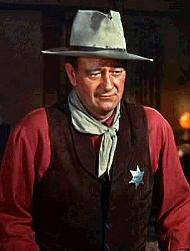
Marion Michael Morrison (nascido Marion Robert Morrison; Winterset, 26 de maio de 1907 – Los Angeles, 11 de junho de 1979), conhecido profissionalmente como John Wayne, e apelidado de Duke, foi um ator e cineasta estadunidense.
Leia mais...Marlene Dietrich
Wilhelm Michel
Wilhelm Michel, genannt Willy Michel (geboren 1901; gestorben Juni 1988) war ein deutscher Bäcker, Kommunalpolitiker in Hannover, Wehrwirtschaftsführer für Niedersachsen sowie Liebessubjekt der Schauspielerin Marlene Dietrich. Die Anfang des 21. Jahrhunderts aufgefundenen Liebesbriefe der Dietrich an Wilhelm Michel gelten als „die frühesten bislang bekannten Dokumente des Weltstars.“
Leia mais...Marlene Dietrich
Erich Maria Remarque

Erich Maria Remarque, pseudónimo de Erich Paul Remark ([rəˈmɑːrk] Osnabrück, 22 de junho de 1898 — Locarno, 25 de setembro de 1970) foi um escritor, dramaturgo e roteirista alemão.
Seu livro, Nada de Novo no Front (1928), baseado em suas experiências no Exército Imperial Alemão, durante a Primeira Guerra Mundial, tornou-se um sucesso de vendas em vários países, inaugurando um novo gênero literário. Foi adaptado várias vezes para o cinema. A temática anti-guerra de Remarque levou o livro a ser considerado "antipatriótico" pelo ministro da propaganda nazista, Joseph Goebbels. O sucesso de sua obra possibilitou que ele se mudasse para a Suíça e depois para os Estados Unidos, onde se tornou cidadão naturalizado.
Leia mais...